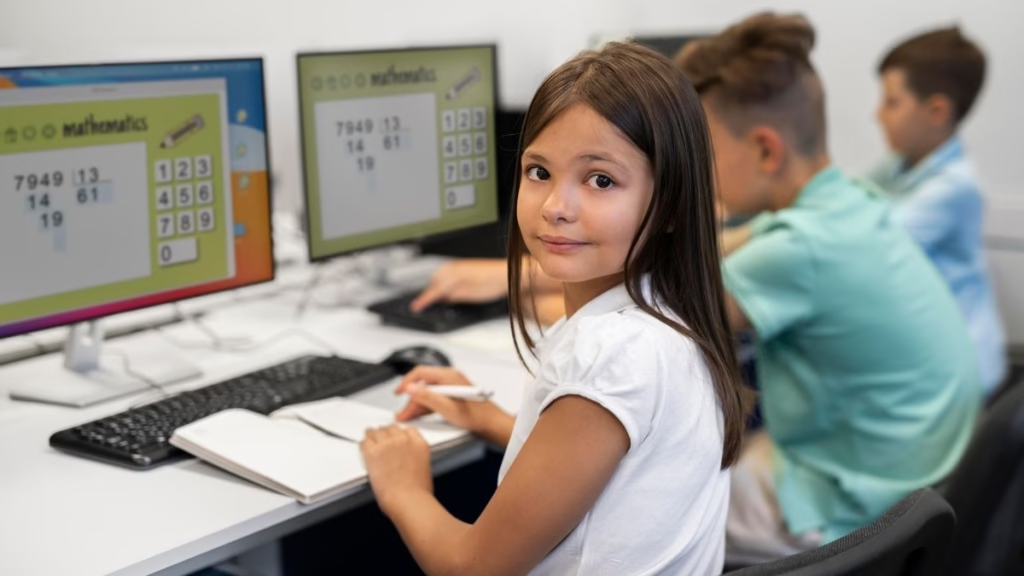
Are you worried about your shy child missing out on important learning opportunities? Online classes for shy kids have become a game-changer for parents struggling with anxious, introverted children. Unlike traditional classrooms with 20-30 students staring at your child, online classes for shy kids create a safe, controlled environment where they can express themselves at their own pace. Research shows that approximately 40% of children experience some form of social anxiety, yet many parents don’t realize that online classes for shy kids can be the breakthrough their child needs. In this comprehensive guide, we’ll explore how virtual learning transforms nervous children into confident communicators, and why education experts are recommending online classes for shy kids now more than ever before.
Why Shy Kids Struggle in Traditional Classrooms
Every parent of a shy child knows that look—when their little one freezes in front of others, the eyes widen, and words simply won’t come. Traditional classrooms can be intimidating for anxious children. Large group settings, peer pressure, and the fear of being judged create barriers that prevent shy kids from participating, asking questions, or even expressing their genuine understanding of concepts.
The problem isn’t that shy kids lack intelligence or capability. In fact, many introverted children are remarkably observant and thoughtful. The barrier is environmental. When placed in high-pressure social situations, their anxiety hijacks their ability to perform, communicate, or engage confidently. They may know all the answers but never raise their hand. They might write beautiful essays but refuse to read them aloud. Their potential remains hidden beneath layers of nervousness.
Consider what happens in a traditional classroom from a shy child’s perspective. When the teacher asks a question, your child’s mind immediately floods with anxiety: “What if I say something wrong? What if everyone laughs? What if I freeze?” By the time they work through these worries, another child has already answered. Over time, shy kids stop trying altogether. They convince themselves they’re not “smart enough” or “good enough” to participate, when the real issue is that the environment doesn’t support their emotional needs.
This is where online classes for shy kids make all the difference. The virtual environment removes many of the psychological triggers that cause anxiety in traditional settings. Your child can learn, participate, and grow without the overwhelming social pressure that silences them in brick-and-mortar classrooms.
How Online Classes Create Safe Learning Spaces
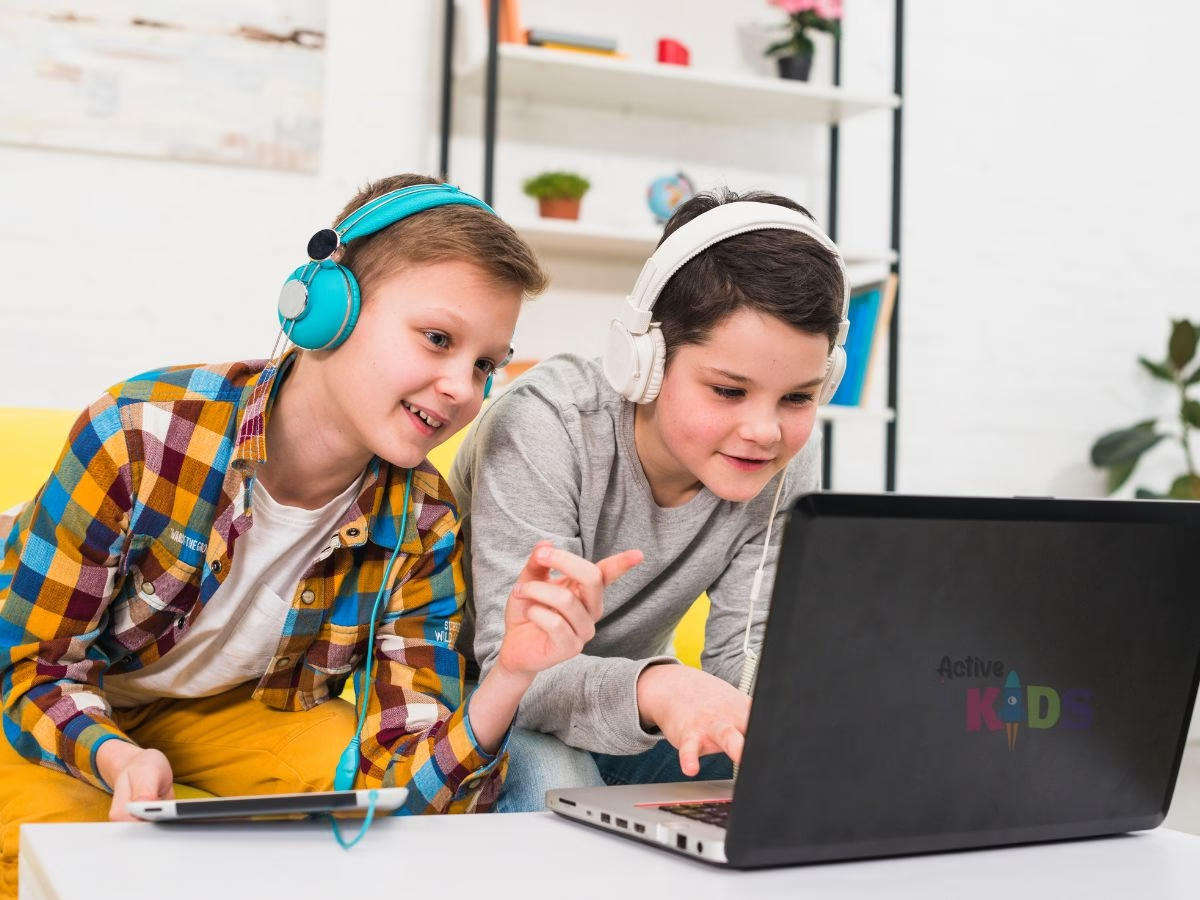
Online classes for shy kids operate on a fundamentally different principle than traditional education. When your child logs in from home, they’re in a familiar, comfortable space. There’s no hallway anxiety, no cafeteria pressure, and no judgment from peers sitting next to them.
Several key features of online classes for shy kids support emotional safety and encourage participation:
One-on-One or Small Group Format: Most quality online classes for shy kids offer personalized instruction or groups of 2-4 students maximum. This dramatically changes the dynamics. Instead of your child being one of 30 faces in a crowd, they’re seen, heard, and valued as an individual. Teachers in online classes for shy kids can actually notice when a student is hesitant and gently encourage them. The intimate setting allows for real connection.
Paced Participation: Your child doesn’t need to raise their hand and speak within seconds. In virtual classes, they have time to think, formulate answers, and respond when ready. This reduces the pressure that often silences anxious children. Some online classes for shy kids even use chat features where children can type responses first, which some anxious kids find less intimidating than speaking aloud.
Screen as a Buffer: Surprisingly, the screen provides psychological distance that actually helps shy kids. They’re not making direct eye contact with 30 peers or a stern teacher looming over their desk. This buffer is enough to ease anxiety and allow genuine participation. It’s like the child has a protective barrier between themselves and potential judgment.
Consistent Routine: Online classes for shy kids happen in the same place, same time, same format. This predictability is crucial for anxious children. They know exactly what to expect, which reduces anticipatory worry. Your child doesn’t waste mental energy wondering “What if something unexpected happens?” They can focus on learning.
Personalized Pacing: In online classes for shy kids, the instructor can slow down without making it obvious. There’s no peer pressure for your child to keep up. If your shy child needs an extra minute to process a question, it’s perfectly acceptable. This removes a major source of anxiety in group settings.
For anxious children, these environmental factors aren’t minor details—they’re the difference between a child who hides their abilities and one who shines.
Real Transformations: What Happens When Shy Kids Find Their Voice
The magic of online classes for shy kids becomes visible when you watch the transformation. Parents consistently report dramatic shifts in their children’s confidence within weeks.
Priya, a mother of an 8-year-old, shared: “My daughter wouldn’t speak a single word in her school class. Teachers thought she had selective mutism. Within 3 months of online classes for shy kids focusing on speech, she was volunteering to read passages aloud and raising her hand confidently. The difference was night-and-day. I can see her self-esteem has completely transformed.”
Why does this transformation happen? When shy kids experience success in a safe environment, something shifts psychologically. They realize they actually CAN speak, CAN answer questions, and CAN be heard. This confidence, built in the secure space of online classes for shy kids, often transfers back to their school environment.
Parents notice behavioral changes after just a few weeks:
- More willingness to participate in school discussions
- Better friendships (confident kids attract peers)
- Improved academic performance (anxiety was the barrier, not ability)
- Greater willingness to try new things
- Stronger self-esteem that translates across life areas
- Reduced performance anxiety during tests
- More engagement in family conversations
- Willingness to share thoughts and ideas
These aren’t just test score improvements. These are children discovering who they are beneath the anxiety. They’re learning that they have a voice worth hearing.
Another parent, Rajesh, explained: “We never thought our 10-year-old could give a presentation. He was terrified. But after starting online classes for shy kids, he not only completed his school project presentation, he volunteered to present to the whole class. His teacher was shocked. We were amazed.”
The transformation is real, measurable, and life-changing for these children.
Choosing the Right Online Classes for Shy Kids – What to Look For
Not all online classes for shy kids are created equal. Here’s what expert educators recommend parents evaluate before committing:
1. Small Class Size or 1-on-1 Options:
Maximum 2-4 students per session. Anything larger defeats the purpose of safe learning spaces. Ask providers specifically about their student-to-teacher ratio for online classes for shy kids.
2. Qualified Instructors with Child Development Knowledge:
Look for teachers trained specifically in working with anxious children, not just subject matter experts. They need to understand how to encourage without pushing. The best online classes for shy kids instructors have backgrounds in child psychology or special education.
3. Flexible Pacing:
Your child shouldn’t feel rushed. Good online classes for shy kids allow students to take their time answering questions and expressing thoughts. Ask if the instructor can adjust pace based on your child’s comfort level.
4. Regular Progress Feedback:
Parents need concrete evidence that their child is progressing. Monthly progress reports help shy kids see their own improvement, which boosts confidence. Quality online classes for shy kids providers communicate regularly with parents about milestones.
5. Consistent Teacher:
The same teacher building a relationship with your child matters enormously. New teachers every week undoes the trust-building that makes online classes for shy kids effective. Consistency is crucial for anxious learners.
6. Trial or Demo Session:
Before committing, ensure there’s a risk-free trial. A good provider of online classes for shy kids will offer a free demo to ensure the fit is right for your child’s personality and needs.
7. Parent Communication:
Teachers should regularly update parents on progress and strategies being used, so you can reinforce them at home. This partnership approach is what makes online classes for shy kids truly effective.
8. Credentials and Certifications:
Look for online classes for shy kids providers with international certifications (like Trinity College London) or established educational credentials. These indicate quality and accountability.
Beyond the Classroom – Extending Confidence Gains at Home
While online classes for shy kids provide the foundation, parents play a critical role in extending these confidence gains at home.
Create Low-Pressure Practice Opportunities:
Use mealtime conversations to encourage speaking. Ask open-ended questions: “What was the best part of your day?” instead of yes/no questions. This mirrors the encouraging approach used in online classes for shy kids. Give your child space to think before responding—don’t rush them.
Celebrate Small Wins:
Did your shy child speak up once in class? That’s huge! Parents often overlook these micro-victories. Recognize effort, not just perfection. This reinforces that participation is valued. Say things like: “I noticed you shared an idea in class today. That took courage!” rather than “Why don’t you participate more?”
Don’t Force Social Situations:
One mistake parents make after starting online classes for shy kids is over-scheduling their child socially. Your child needs recovery time. Let them recharge in comfortable environments while gradually building confidence. Balance is key.
Model Confident Communication:
Children learn by watching. When parents speak confidently, admit mistakes gracefully, and communicate assertively, shy kids absorb these lessons. Talk out loud about your own thought process: “I was nervous about that presentation, but I took a deep breath and did it anyway. It went better than I expected.”
Avoid Labeling:
Never say “My child is shy” as a permanent label. Instead, “My child is still building confidence in social situations.” Language matters for how children see themselves. Fixed labels create fixed mindsets.
Create Home “Practice Stages”: Set up low-stakes speaking opportunities at home. Let your shy child present their ideas to family members in the living room. This bridges the gap between online classes for shy kids and real-world situations.
When online classes for shy kids are paired with home strategies, confidence gains accelerate dramatically.
Conclusion
The decision to enroll your shy child in online classes for shy kids is one of the best investments you can make in their future. In our increasingly competitive world, communication skills determine opportunities—from school presentations to job interviews to personal relationships. Your anxious child has tremendous potential hiding beneath layers of nervousness. Online classes for shy kids don’t just teach academic content; they unlock your child’s confidence, voice, and authentic self.
Within weeks, parents witness transformations they didn’t think were possible. Their quiet child becomes willing to participate. Their anxious child becomes willing to try. Most importantly, their shy child discovers they are brave, capable, and worth being heard. If your child struggles with nervousness or anxiety in group settings, online classes for shy kids offer a pathway forward—one built specifically for their emotional and developmental needs. The time to invest in your child’s future is now.
FAQs: Online Classes for Shy Kids
Why do online classes work better for shy kids than regular classrooms?
Online classes reduce social pressure by allowing shy kids to learn from a familiar, safe environment where they don’t feel watched or judged. This comfort helps them open up naturally.
Can online classes really help my shy child speak more confidently?
Yes. When kids feel emotionally safe, they are more willing to speak, share ideas, and participate at their own pace. Confidence builds gradually through small wins.
Are online classes suitable for kids with social anxiety?
Absolutely. Online learning removes many anxiety triggers like large groups, sudden attention, and fear of embarrassment, making it easier for anxious children to engage.
Will my child fall behind socially if they learn online?
No. Many shy kids actually gain confidence online first, which later helps them interact better at school and with peers offline.
How quickly can parents see confidence changes in shy kids?
Many parents notice small but meaningful improvements within weeks, such as better communication at home or increased classroom participation.
What should parents focus on when choosing online classes for shy kids?
Small group size, patient instructors, flexible pacing, and a calm learning environment matter more than speed or competition.