
Introduction
Helping children become confident communicators is one of the most valuable investments parents and educators can make today. Public speaking for kids is not just about standing on a stage and delivering a speech, it is about expressing thoughts clearly, building self-confidence, and learning how to connect with others in meaningful ways. In school, social settings, and future careers, strong communication skills play a vital role in shaping success.
In recent years, modern learning tools have made this journey more engaging. Gen Z podcast allow children to observe how others their age communicate naturally, share ideas, and build confidence through conversation. This combination of traditional practice and digital exposure is helping children learn faster and more effectively. It also makes the process less intimidating and more relatable, especially for children who learn better through observation.
How Podcasts Create a Safe Space for Young Voices
A podcast creates a unique space that many traditional learning environments often miss a space where children can pause, think deeply, and express themselves without pressure. Through engaging audio conversations, young learners begin to organize their ideas, speak with clarity, and develop confidence in sharing their perspectives. This kind of environment encourages thoughtful expression, active listening, and meaningful dialogue, helping children feel respected and understood. Over time, this sense of being heard strengthens their self-belief and shapes how they communicate both with peers and adults.
Watch on Youtube: GEN Z Perspectives I Changing World, Social Media, Parenting, Work Life
Why Communication Skills Matter in Childhood
Children today are growing up in a highly interactive and expressive environment. They are encouraged to share opinions, collaborate in groups, and present ideas regularly. Strong communication skills help children feel heard and understood, which directly impacts their confidence and emotional development.
When kids learn how to express themselves clearly, they also develop better listening skills. This improves their ability to understand others, ask meaningful questions, and engage in thoughtful discussions. Over time, these abilities contribute to better academic performance and stronger social relationships. Communication also plays a key role in building empathy, as children learn to respect different perspectives and respond thoughtfully.
Understanding the Importance of Early Speaking Skills
Developing speaking skills at a young age helps children overcome hesitation and fear. Public speaking for kids encourages them to step out of their comfort zones and become more self-assured. It teaches them how to organize thoughts, use appropriate language, and present ideas in a structured and impactful manner.
Some long-term benefits include:
- Increased confidence in social situations
- Improved academic participation
- Stronger leadership abilities
- Better problem-solving and critical thinking
- Enhanced creativity and imagination
These benefits extend far beyond school, helping children succeed in various aspects of life. Children who are confident speakers often take initiative, participate actively in activities, and are more willing to explore new opportunities.
Common Challenges Children Face
It is completely normal for children to feel nervous when speaking in front of others. Many kids experience stage fright, hesitation, or fear of making mistakes. These challenges are part of the learning process and should be handled with patience and encouragement.
Some common difficulties include:
- Fear of being judged
- Lack of confidence
- Difficulty organizing thoughts
- Limited vocabulary or expression
- Avoidance of speaking opportunities
Recognizing these challenges early allows parents and educators to provide the right support and create a positive learning environment. Instead of focusing on perfection, the goal should be gradual improvement and confidence building.
Effective Ways to Build Confidence in Speaking
Improving communication skills does not require pressure or strict methods. Instead, it should be a gradual and enjoyable process that encourages children to participate willingly.
1. Encourage Daily Conversations
Simple conversations at home can make a big difference. Asking children open-ended questions encourages them to think, respond, and express their ideas more freely. Over time, this builds confidence and improves clarity in communication.
2. Use Storytelling as a Tool
Storytelling is one of the most effective ways to build confidence. It allows children to use their imagination while learning how to structure their thoughts and communicate clearly. This also improves their ability to engage an audience.
3. Practice in Comfortable Settings
Start with small audiences such as family members. Gradually increase the number of listeners to help children feel more comfortable speaking in different environments. This step-by-step exposure helps reduce anxiety.
4. Make Speaking Fun
Incorporate games and activities that involve speaking. This reduces pressure and helps children enjoy the process of learning. Fun activities make children more willing to participate regularly.
5. Provide Positive Feedback
Encouragement plays a key role in building confidence. Focus on effort rather than perfection and celebrate small improvements. Positive reinforcement helps children stay motivated and consistent.
Role of Modern Learning Tools
Digital platforms have transformed how children learn and develop new skills. One of the most interesting developments is the rise of the Gen Z podcast, where young voices are encouraged to share ideas and express themselves openly.
Listening to such content helps children understand how communication works in real-life situations. They observe tone, clarity, and confidence, which they can gradually apply in their own speaking practices. It also introduces them to different topics and perspectives, helping expand their thinking and creativity.
Activities to Improve Speaking Skills
Making learning interactive is essential for long-term improvement. Here are some simple activities that can help children become better speakers:
- Show and Tell: Children present their favorite objects and explain why they like them
- Role Play: Acting out scenarios helps improve expression and creativity
- Mirror Practice: Speaking in front of a mirror builds confidence and awareness
- Group Discussions: Encourages participation and idea-sharing
- Impromptu Speaking: Quick topics help children think and respond instantly
These activities not only improve communication but also make the learning process enjoyable. Regular practice through such activities ensures steady progress and confidence building.
How Parents and Educators Can Help
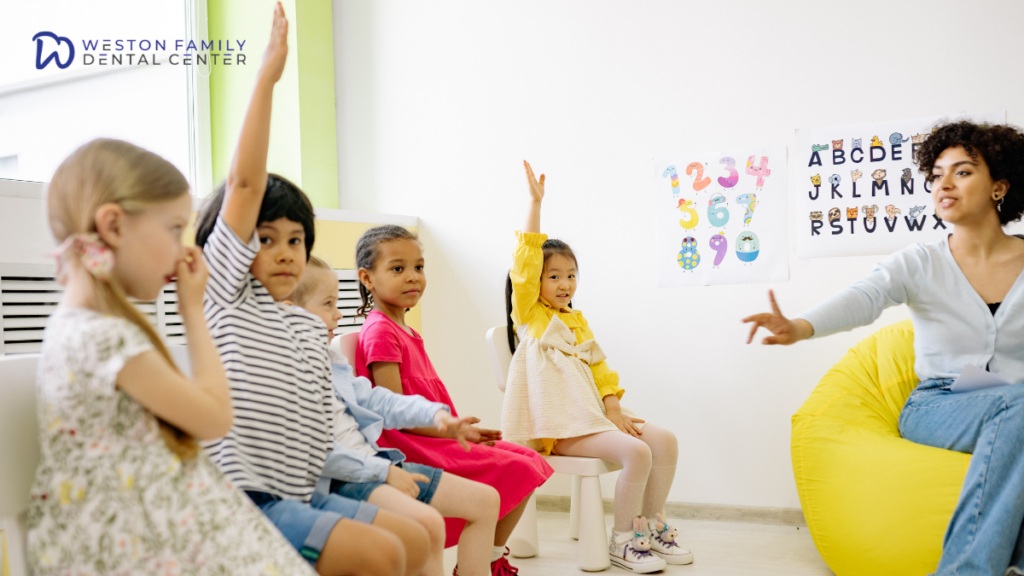
Support from adults plays a crucial role in a child’s development. Creating a safe and encouraging environment allows children to express themselves without fear or hesitation.
Here are some helpful tips:
- Listen actively and show genuine interest in what children say
- Avoid harsh criticism and provide constructive feedback
- Encourage regular speaking opportunities
- Be patient and supportive during the learning process
- Lead by example through clear and confident communication
Children often learn by observing adults. When they see confident communication in their surroundings, they are more likely to adopt similar behaviors.
Long-Term Impact on a Child’s Growth
The ability to communicate effectively is a lifelong skill. Public speaking for kids helps children develop qualities that benefit them in every stage of life. From school presentations to professional environments, confident communication opens doors to new opportunities.
Children who develop strong speaking skills are more likely to:
- Take leadership roles
- Perform better academically
- Build strong relationships
- Handle challenges with confidence
- Express ideas clearly in any situation
These advantages contribute to overall personal and professional growth. Strong communication skills also help children navigate real-world situations with ease and confidence.
Conclusion: Building Confident Speakers for the Future
Developing communication skills at an early age is essential for a child’s overall growth and confidence. Public speaking for kids provides a strong foundation that helps children express themselves clearly, think creatively, and interact effectively with others.
By combining traditional learning method like a Gen Z podcast, children can explore new ways of understanding communication and gain confidence in a natural and engaging way. With the right support, encouragement, and consistent practice, every child can become a confident speaker ready to face the world with clarity, confidence, and creativity.
FAQs: Public Speaking for Kids
What is the right age to start public speaking for kids?
Children can start learning public speaking for kids as early as 4–5 years old through simple activities like storytelling and show-and-tell. Early exposure helps build confidence naturally.
How can I help my child overcome fear of speaking?
Start with small audiences, encourage daily conversations, and use fun activities like role play. Positive feedback and a supportive environment make a big difference in reducing fear.
What are the best activities to improve speaking skills in kids?
Activities like storytelling, mirror practice, group discussions, and impromptu speaking games are highly effective. These methods make learning engaging and improve confidence gradually.
How often should kids practice speaking?
Consistency matters more than duration. Practicing a few minutes daily through conversations or activities is more effective than occasional long sessions.
Why is communication important for a child’s future?
Strong communication skills help children succeed academically, socially, and professionally. They build confidence, leadership abilities, and better relationships.
What mistakes should parents avoid while teaching speaking skills?
Avoid criticizing, forcing participation, or expecting perfection. Instead, focus on encouragement, patience, and creating a safe space for expression.
How long does it take for a child to become confident in speaking?
Every child is different. With regular practice and support, noticeable improvement can be seen within a few weeks to months.