
Introduction
The way young people learn today has expanded far beyond traditional classrooms. While structured education still plays an important role, real learning is increasingly happening through conversations, experiences, and interactive platforms. One such emerging space is the Gen Z Kids Podcast, where young individuals are encouraged to think, speak, and share ideas openly.
This shift highlights an important change in education. Instead of focusing only on memorisation, the emphasis is now on understanding, communication, and real-world thinking. When children are given opportunities to express themselves, they begin to develop confidence and clarity that goes beyond academics.
Growing Up in a Rapidly Changing World
Today’s generation is growing up in an environment that is constantly evolving. Technology, social interactions, and access to information are shaping how young people think and communicate.
Many noticeable changes include:
- Exposure to information at an early age
- Increased reliance on digital platforms
- Higher expectations in both academics and personal growth
- Early awareness of future goals and career paths
While these changes may seem overwhelming, they also create opportunities for growth. The Gen Z Kids Podcast reflects how young people are adapting by actively engaging with ideas instead of passively receiving them.
They are learning how to process information, form opinions, and communicate effectively in a fast-changing world.
Learning Beyond Textbooks
Traditional education systems often focus on structured learning, where information is delivered in a fixed format. However, real understanding develops when learners engage with ideas actively.
Through conversational platforms, young people explore areas such as:
- Personal development and self-awareness
- Decision-making in everyday situations
- Understanding digital responsibility
- Exploring future aspirations
This approach allows learners to move beyond memorisation. They begin to:
- Analyse situations critically
- Reflect on their experiences
- Connect learning with real-life scenarios
Such learning builds a deeper and more meaningful understanding.
The Power of Conversation
Conversation is one of the most natural ways to learn. When young people talk about ideas, they process information more effectively and gain new perspectives.
The Gen Z Kids Podcast creates an environment where discussions are encouraged. Participants are not restricted by rigid formats, allowing them to express thoughts freely.
Some key benefits of conversational learning include:
- Improved clarity in communication
- Better understanding of different viewpoints
- Increased confidence in sharing ideas
- Development of active listening skills
This method transforms learning into an engaging and interactive process rather than a passive one.
Developing Independent Thinking
In a world filled with information, the ability to think independently is essential. Young people need to evaluate ideas, question assumptions, and form their own perspectives.
Encouraging independent thinking helps them:
- Make informed decisions
- Understand complex situations
- Develop confidence in their opinions
Instead of simply accepting information, they learn to explore it. This skill becomes increasingly important as they grow and face new challenges.
Building Confidence Through Expression
Confidence is built gradually through consistent practice and positive experiences. When young people are given opportunities to express themselves, they begin to trust their abilities.
The Gen Z Kids Podcast supports this process by creating a space where ideas can be shared without fear of judgment.
As a result, participants:
- Speak more clearly and confidently
- Overcome hesitation in communication
- Feel comfortable sharing personal perspectives
Over time, this confidence extends into academics, social interactions, and future opportunities.
Understanding Real-World Topics
Young people today are curious about the world around them. They want to understand not just academic subjects but also real-life issues and experiences.
Through discussions, they engage with topics such as:
- Technology and its impact
- Career choices and future planning
- Social awareness and responsibility
- Personal growth and self-improvement
This exposure helps them develop a broader perspective. It prepares them to navigate real-world situations with greater awareness and understanding.
Moving from Passive to Active Learning
One of the most significant shifts in modern education is the move from passive to active learning.
In passive learning:
- Information is received without much interaction
- Understanding may remain limited
In active learning:
- Ideas are explored through discussion
- Learners participate actively
- Knowledge is applied in real situations
This transition allows young people to take ownership of their learning journey. It makes education more meaningful and engaging.
The Role of Curiosity
Curiosity is a powerful driver of learning. When learners are curious, they are more engaged and motivated to explore new ideas.
Encouraging curiosity leads to:
- Deeper understanding of concepts
- Increased interest in learning
- Continuous exploration of new topics
Curiosity transforms learning from a routine task into an exciting process of discovery.
Communication Skills for the Future
Strong communication skills are essential in today’s world. Whether in academics, careers, or personal interactions, the ability to express ideas clearly is crucial.
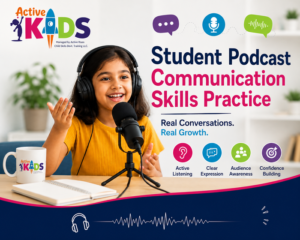
Through consistent practice, young people develop:
- Clear and structured speech
- Confidence in expressing opinions
- Ability to listen and respond effectively
- Better organisation of thoughts
These skills prepare them for future environments where communication plays a key role in success.
Learning to Listen
Listening is often overlooked, but it is an essential part of effective communication. It helps individuals understand others and respond appropriately.
By developing listening skills, young people learn to:
- Respect different perspectives
- Engage in meaningful conversations
- Build stronger connections
This creates a balanced approach to communication where both speaking and listening are valued.
Balancing Digital Engagement
Digital platforms are a major part of modern life. While they offer many opportunities, it is important to use them effectively.
A balanced approach includes:
- Creating meaningful content
- Engaging in thoughtful discussions
- Using technology with purpose
This ensures that digital tools contribute positively to learning and development.
Preparing for Future Challenges
The future requires more than academic knowledge. It demands skills such as adaptability, creativity, and problem-solving.
Young people benefit from developing:
- Independent thinking
- Confidence in communication
- Ability to adapt to change
- Strong decision-making skills
These abilities help them navigate an ever-evolving world with confidence.
Why Young Voices Matter
Young people bring fresh perspectives and ideas that can contribute to meaningful discussions. When they are given a platform to express themselves, they often share valuable insights.
Listening to young voices helps:
- Build stronger relationships
- Understand modern challenges
- Encourage mutual respect
It transforms communication into a collaborative process where everyone’s perspective is valued.
Conclusion: Learning Beyond Limits
The rise of the Gen Z Kids Podcast reflects a shift in how learning is experienced. It goes beyond traditional methods and focuses on real-world thinking, communication, and self-expression.
By encouraging conversation, curiosity, and independent thought, it helps young people develop essential life skills.
In today’s world, learning is no longer limited to classrooms. It is shaped by experiences, discussions, and the willingness to explore new ideas.
Ultimately, this approach prepares young individuals not just for academic success, but for life itself.
FAQs: Exploring Learning Through Modern Platforms
How do conversational platforms support learning?
They encourage discussion, reflection, and idea-sharing, making learning more interactive and engaging.
Can communication skills improve without formal training?
Yes, regular practice through discussions helps build clarity, confidence, and expression naturally.
What makes discussion-based learning effective?
It allows learners to think actively, ask questions, and understand concepts more deeply.
Do these platforms help with real-life decision-making?
Yes, they encourage critical thinking and help learners evaluate different situations.
Is active participation important for learning?
Active involvement helps improve understanding, retention, and confidence.
How does listening contribute to better communication?
Listening helps individuals understand perspectives and respond thoughtfully.
Can digital platforms support skill development?
Yes, when used effectively, they enhance communication, creativity, and awareness.
Why is independent thinking important for young learners?
It helps them form their own opinions, make decisions, and adapt to new challenges.