

Quick Summary: Public speaking is no longer a niche skill saved for future politicians or corporate executives. Today, effective communication serves as the very baseline for a child’s academic engagement, social confidence, and emotional intelligence. Enrolling your child in structured communication classes equips them with tools to structure thoughts logically, project their voice dynamically, and handle performance anxiety gracefully.
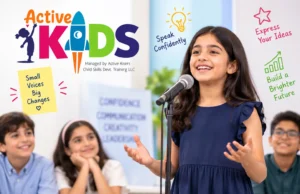
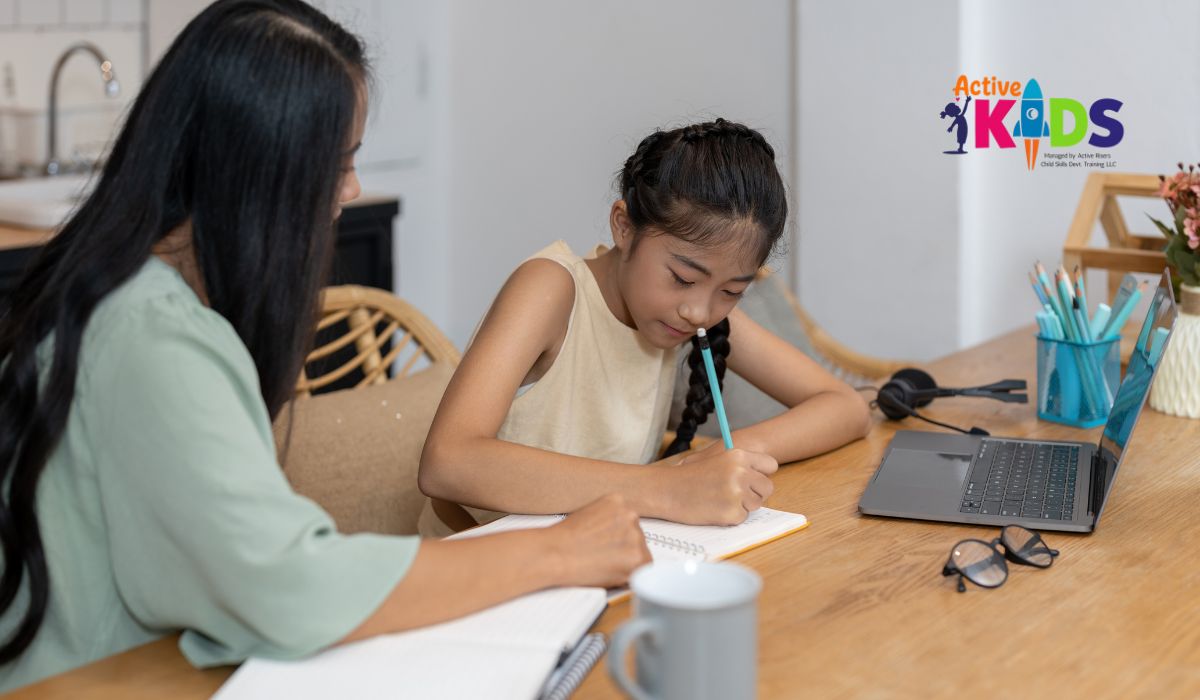
Imagine sitting at your kitchen table, watching your nine-year-old daughter meticulously assemble a science project. At home, she is bright, descriptive, and overflowing with fascinating facts about marine biology. Yet, the next evening, her teacher mentions that when asked to present her ideas to the class, she froze, stared at her shoes, and whispered answers that her peers could barely hear. This common disconnect breaks a parent’s heart. Your child knows the answers, possesses deep creativity, and shines in comfortable settings, yet struggles to let that brilliance break through in public spaces. Enrolling your young learner in structured public speaking classes for kids can transform this anxiety into empowered, natural expression.
As children navigate an increasingly digital world dominated by texts, emojis, and short-form media, the art of real-time verbal communication has become rare and highly valuable. Many well-meaning parents assume that public speaking training is only meant for naturally outgoing children who enjoy the spotlight. In reality, modern public speaking courses are designed specifically to provide quiet, analytical, or anxious children with a predictable, encouraging environment to discover their voice. By approaching verbal communication as a learnable skill rather than an innate talent, these specialized classes build a deep sense of speaking confidence for kids that positively impacts every area of their development.
Why Public Speaking Is No Longer Just About Stage Presentations
When we hear the phrase “public speaking,” our minds often flash back to terrifying high school auditoriums, formal podiums, and large, intimidating crowds. However, in the modern educational environment, oral communication is woven directly into the daily curriculum. From elementary school show-and-tell sessions to complex high school group defenses, children are consistently required to explain their thinking process out loud. A child who lacks the skills to express their ideas clearly can easily fall behind academically, even if their test scores are flawless. Public speaking training for kids shifts the focus away from stiff, old-fashioned oration and emphasizes adaptable, dynamic, everyday communication.
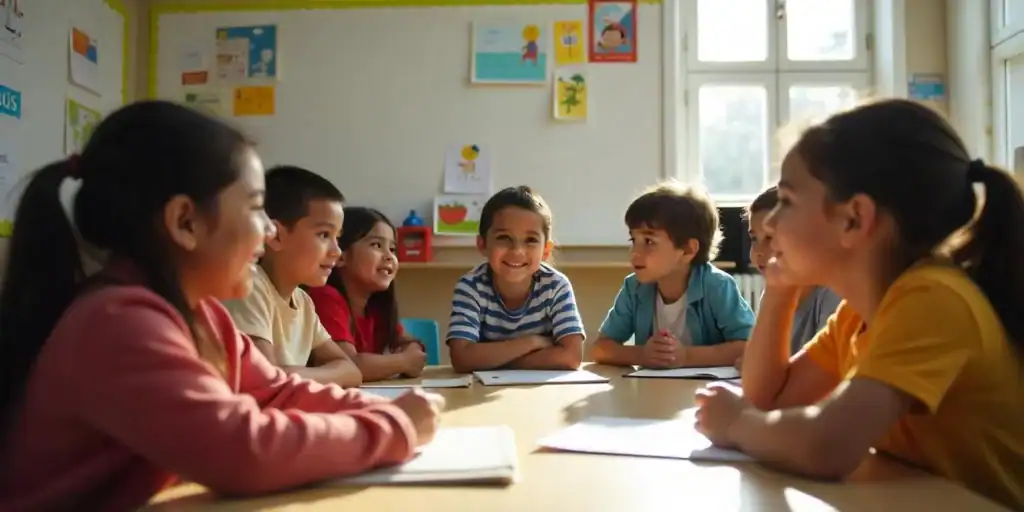
Modern classroom environments depend heavily on active peer collaboration. When working on group science labs or historical dioramas, students must negotiate roles, divide tasks fairly, and articulate their perspectives clearly without causing friction. Children who have undergone communication skills classes understand how to pitch an idea, compromise effectively, and defend their conclusions using logic rather than emotion. This immediate peer-to-peer collaboration naturally serves as the foundation for foundational leadership skills for children, transforming quiet team members into valued project coordinators.
Looking further down the academic pipeline, future readiness demands comfortable, authentic self-presentation. College admissions interviews, scholarship competitions, competitive sports panels, and entry-level job screenings all require young adults to talk about their achievements concisely and confidently. By framing communication confidence for children as an essential life tool, parents give their kids a massive head start. They learn to view every conversation, classroom presentation, and social introduction not as a threat, but as an exciting opportunity to share their unique view of the world.
What Do Kids Actually Learn in Public Speaking Classes?
A well-structured speaking program goes far beyond telling children to “stand up straight and make eye contact.” It breaks down speech into distinct, manageable building blocks that any child can master with consistent practice. Here is a breakdown of the core competencies taught in modern public speaking training for kids:
- Voice Projection and Vocal Variety: Students learn to use their diaphragm to project their voice clearly to the back of a room without shouting. They also study vocal modulation, discovering how changing their pitch, volume, and pacing can make a boring story fascinating.
- The Art of Narrative Storytelling: Children learn how to structure an opening hook, build a compelling central argument, and deliver a memorable conclusion. They discover how to turn dry facts into engaging stories that capture an audience’s imagination.
- Logical Thought Organization: Using visual frameworks like the “Sandwich Method” (Introduction, Supporting Evidence, Conclusion), students practice organizing disorganized thoughts quickly, allowing them to answer unexpected questions under pressure.
- Active and Empathetic Listening: True communication is a two-way street. Kids spend time analyzing speeches delivered by their peers, identifying what worked well and learning to give supportive, constructive feedback. This builds deep mutual respect within the classroom.
- Persuasive Communication Techniques: Students discover how to use evidence, emotional appeal, and logical reasoning to sway an audience’s opinion. This is particularly useful during formal classroom debates and analytical writing assignments.
- Non-Verbal Presentation Techniques: Young speakers practice managing their physical presence. This includes open body language, purposeful hand gestures, and steady eye contact that commands respect and builds immediate trust.
9 Benefits of Public Speaking Classes for Kids
The mental, emotional, and academic changes that result from structured speaking programs are far-reaching. Let’s look closer at the nine primary benefits parents notice when their children participate in dedicated public speaking training for kids.
1. Greater Self-Confidence
Self-confidence is not an accidental character trait; it is a muscle built through repeated, successful risk-taking. In a specialized public speaking environment, children step slightly out of their comfort zones in a safe, controlled setting. Each time a child stands up, delivers a short speech, and receives warm applause from peers, their internal self-talk shifts from “I can’t do this” to “I just did that.” Parents frequently observe this newfound speaking confidence for kids flowing into daily life, such as when a child confidently orders their own food at a restaurant or initiates a conversation with a new neighbor.
2. Stronger Communication Skills
Many intelligent children struggle with “verbal clutter”—overusing filler words like “um,” “like,” “so,” and “uh,” which can obscure their brilliant ideas. Communication skills classes teach students to appreciate the power of a deliberate pause. Children learn word precision, expanding their vocabulary so they can express complicated emotions and abstract ideas accurately. Over time, this training eradicates vague phrasing, allowing young speakers to deliver their thoughts with clarity and impact.
3. Better Academic Participation
It is common for bright students to stay silent during class discussions out of fear of sounding foolish. Public speaking programs demystify the act of sharing an opinion out loud. By teaching children that mistakes are simply natural steps in the learning process, these classes encourage students to raise their hands, ask clarifying questions, and participate enthusiastically in class debates. This increased engagement often leads to better teacher recommendations and higher overall grades.
4. Improved Leadership Skills
True leaders are not the loudest voices in the room; they are the individuals who can articulate a shared vision and inspire others to act. Through targeted speaking skills development, children learn how to command attention politely, structure persuasive arguments, and project a calm, capable presence. These skills help them naturally step into leadership roles, such as student council positions, captaincies on sports teams, or coordinators of advanced group projects.
5. Enhanced Critical Thinking
Writing and delivering a speech requires a child to analyze information deeply, filter out irrelevant details, and arrange facts logically. When children learn to anticipate potential counterarguments from an audience, they develop advanced critical thinking habits. This mental discipline directly improves their reading comprehension and written essays, as they learn to instinctively look for solid evidence before forming conclusions.
6. Reduced Fear and Anxiety Around Speaking
Glossophobia, or stage fright, affects adults worldwide, often because it was never addressed during childhood. Confidence building classes for kids tackle this anxiety early through a process called systematic desensitization. By exposing children to low-stakes speaking exercises regularly, the physical symptoms of anxiety—like sweaty palms, a racing heart, or a shaky voice—become familiar and manageable, rather than paralyzing.
7. Better Social Skills
Effective communication forms the bedrock of healthy childhood friendships. Public speaking programs teach kids to read subtle social cues, such as body language, facial expressions, and changes in conversational tone. By practicing active listening and learning to take turns during discussions, children become more empathetic friends, smooth out playground misunderstandings easily, and build deeper social connections.
8. Stronger Decision-Making and Problem Solving
When delivering an impromptu speech, a child must choose a topic, select an angle, and organize their words in seconds. This fast-paced practice strengthens their real-time decision-making abilities. Parents notice that children who practice these skills become more independent at home, handling unexpected daily challenges calmly rather than shutting down emotionally when things don’t go according to plan.
9. Preparation for Future Success
The global economy values human connection and clear communication above simple memorization. Long-term participation in public speaking courses helps children cultivate a highly adaptable professional skill set. Whether they eventually pursue careers in technology, medicine, art, or business, the ability to clearly pitch an idea, lead an international team, and present data confidently will set them apart from their peers.
| Core Benefit | Immediate Classroom Observation | Long-Term Adult Impact |
|---|---|---|
| Self-Confidence | Volunteering to answer questions readily. | Navigating high-stakes job interviews easily. |
| Thought Organization | Fewer filler words during class updates. | Delivering clear, concise boardroom pitches. |
| Anxiety Management | Calmer physical posture before presentations. | Managing pressure during crisis situations. |
| Critical Thinking | Well-structured homework and written essays. | Analyzing complex market data accurately. |
Parent Success Stories: From Shy to Confident
To understand the real-world value of regular communication training, let’s look at three realistic student journeys. These mini case studies highlight how targeted practice can support different age groups and personality types.
Case Study 1: Liam, Age 7 – Finding a Voice on the Playground
The Challenge: Liam was an incredibly imaginative seven-year-old who loved building elaborate block structures at home. However, at school, his voice dropped to an inaudible whisper whenever a teacher or classmate spoke to him. If a peer accidentally took his toy, Liam would withdraw completely and cry quietly rather than speaking up for himself.
The Intervention: Liam’s parents enrolled him in a play-based public speaking program for young children. The instructors used interactive storytelling games, puppet presentations, and fun vocal exercises disguised as animal sounds. This allowed Liam to practice voice projection without feeling any pressure.
The Transformation: After four months of steady practice, Liam’s physical presence transformed. He learned to look people in the eye and use a strong “superhero voice” when speaking. His school teacher recently reported that Liam confidently asked a group of classmates if he could join their recess soccer game, and he even volunteered to lead the morning calendar routine.
Case Study 2: Ananya, Age 11 – From Silent Brilliance to Class Leader
The Challenge: Ananya consistently earned top scores on her written exams, but she dreaded oral presentations. Before a mandatory sixth-grade history speech, she developed severe stomachaches and begged her parents to let her stay home from school. Her anxiety was masking her deep knowledge and holding her back from participating fully in class.
The Intervention: Ananya joined an online public speaking class that specialized in structured thought organization and anxiety management. She learned to use physical breathing techniques to lower her heart rate and practiced breaking her presentations down into simple, memorable talking points.
The Transformation: The turning point came when Ananya used a “visual hook” technique she learned in class for a science presentation. Not only did she deliver the speech without looking at her notes, but she answered unexpected questions from her classmates smoothly. She finished the school term by running for, and winning, the position of Vice President of her school’s environmental club.
Case Study 3: Marcus, Age 14 – Channeling Teenage Energy Into Influence
The Challenge: Marcus was naturally outgoing but struggled with focus. When presenting in high school, he spoke too quickly, mumbled, used excessive slang, and wandered off-topic constantly. His report cards often noted that his presentations lacked professional structure and clarity.
The Intervention: Marcus was enrolled in an advanced public speaking training program for teenagers. The curriculum focused heavily on persuasive speech structures, formal debate rules, and the conscious elimination of verbal fillers like “like” and “dude.”
The Transformation: The structured training helped Marcus organize his natural energy into a professional speaking style. He learned to value purposeful pauses and use formal vocabulary to build authority. Recently, Marcus represented his high school in a regional mock trial competition, winning an award for outstanding student advocate.
The Hidden Benefits Parents Often Notice First
While major transformations like winning a school election or leading a presentation are thrilling, the small, daily changes often mean the most to families. These subtle shifts show that a child is internalizing their communication tools deeply.
One of the first changes parents report is a noticeable improvement in daily eye contact. A child who used to look at the floor while speaking to extended family members or family friends begins to hold their head high and make steady, warm eye contact. This simple change completely alters how adults interact with them, greeting them with greater respect and listening to their opinions more attentively.
Additionally, parents notice that children become much clearer when expressing their personal feelings and needs. Instead of venting their frustrations through temper tantrums or silent brooding, communication confidence for children allows them to say exactly what is bothering them. A phrase like, “I’m feeling overwhelmed by this homework assignment because I don’t understand step four,” replaces emotional outbursts, making family life calmer and more collaborative.
Signs Your Child May Benefit From Public Speaking Classes
Every child develops communication skills at their own pace. However, certain behavioral patterns indicate that a student could benefit significantly from structured guidance outside the traditional classroom. If you notice any of these signs, consider looking into confidence building classes for kids:
- Consistent Physical Avoidance: Your child routinely fakes illness, cries, or experiences severe anxiety whenever an oral presentation or show-and-tell day approaches.
- Inaudible Volume and Mumbling: Even in quiet rooms, your child speaks so softly that family members and teachers must constantly ask them to repeat themselves.
- Extreme Shyness Around Peers: Your child struggles to join group games at the park, introduce themselves to new classmates, or speak directly to friendly adults.
- Disorganized Ideas: When telling a story, your child jumps erratically from topic to topic, making it difficult for listeners to follow their train of thought.
- Passive Acceptance: Your child allows peers to make all the decisions during playdates or group projects because they lack the confidence to suggest their own ideas.
Parent Checklist: Is Your Child Ready for a Speaking Program?
Review these everyday scenarios to evaluate your child’s current communication confidence levels:
- [ ] Does your child look down or turn away when ordering their own meal at a restaurant?
- [ ] Do they avoid raising their hand in class, even when they know the answer?
- [ ] Do they struggle to summarize their school day without relying heavily on words like “um” or “stuff”?
- [ ] Do they show signs of physical anxiety (fidgeting, pacing) before school project deadlines?
- [ ] Do they prefer to let siblings or parents speak on their behalf during family gatherings?
If you checked two or more boxes, your child will benefit immensely from a supportive, structured communication program.
How to Choose the Right Public Speaking Program
Not all communication programs are created equal. To ensure your child has a positive, transformative experience, look for programs that meet these key educational standards:
First, prioritize small class sizes. If a class has thirty students, your child may only get to speak for a single minute each session. Look for programs that guarantee small-group participation, ensuring every student has multiple opportunities to practice speaking during every single class.
Second, look closely at the teaching philosophy. Avoid programs that rely on rigid memorization or strict, old-fashioned lecturing styles, which can increase a child’s anxiety. The best public speaking classes for kids use age-appropriate, interactive games, collaborative exercises, and positive reinforcement to keep learning fun and stress-free.
Finally, make sure the instructors provide structured, constructive feedback loops. Children need to know exactly what they did well (such as maintaining great eye contact) and receive one clear, encouraging tip for improvement next time. This balanced approach teaches children to view feedback as a helpful tool for personal growth rather than a scary criticism.
How ActiveKidsOnline Helps Children Build Communication Confidence
At ActiveKidsOnline.com, we understand that building communication skills requires a careful balance of expert instruction and gentle encouragement. Our highly regarded Speak & Shine Program is designed specifically to help children transform their nervousness into natural, expressive speaking confidence.
Our online public speaking classes use small, interactive live sessions led by passionate mentors who specialize in child development. We use an engaging, play-infused curriculum that teaches essential presentation techniques, logical thought organization, and vocal variety through fun, low-stakes projects. By providing a warm, supportive community of peers, we ensure that every child feels safe taking risks, finding their unique voice, and celebrating their communication growth step by step.
Key Takeaway: Developing strong public speaking skills early in life protects children against future social anxiety, raises their academic potential, and equips them with essential leadership tools that will benefit them throughout their lives.
Conclusion
Helping your child build exceptional communication skills is one of the greatest long-term gifts a parent can give. Public speaking classes protect children against social isolation, elevate their academic potential, and nurture the foundational leadership traits required for future career success. Your child’s voice deserves to be heard clearly and confidently by the world.
Ready to watch your child step out of their shell and speak with genuine power? Give them the perfect starting point by enrolling them in our supportive community today. Book a Free Trial Class with ActiveKidsOnline.com and experience firsthand how our specialized Speak & Shine Program can unlock your child’s true potential.