

Homework can become a daily source of tension when children feel overwhelmed, parents are short on time, or everyone is unsure where to begin. The right homework help tips for parents can make this part of the day more manageable without turning parents into a second teacher.
For families in the UAE, daily routines often need to accommodate school hours, extracurricular activities, family commitments and different learning schedules. Some children finish their assignments independently, while others need additional guidance to understand instructions, organise their work or stay focused.
The goal is not to complete every assignment for your child. It is to help them develop the confidence, discipline and independent learning skills needed to manage schoolwork themselves.
With a few practical changes, parents can create a positive homework environment that encourages curiosity, responsibility and consistent progress.
1. Establish a Consistent Homework Routine
Children often spend more time deciding when to start homework than actually completing it. A predictable routine can reduce this uncertainty and make studying a normal part of their day.
Start by identifying a time that works with your child’s school timetable and energy levels. Some children prefer completing homework shortly after school, while others need time to relax, eat a snack and participate in an activity before studying.
Create a simple sequence that your child can follow:
- Come home, have a snack and take a short break.
- Check the school diary or online learning platform.
- Identify the assignments that need to be completed.
- Start with one manageable task.
- Take short breaks between longer study sessions.
- Review completed work and prepare materials for the next school day.
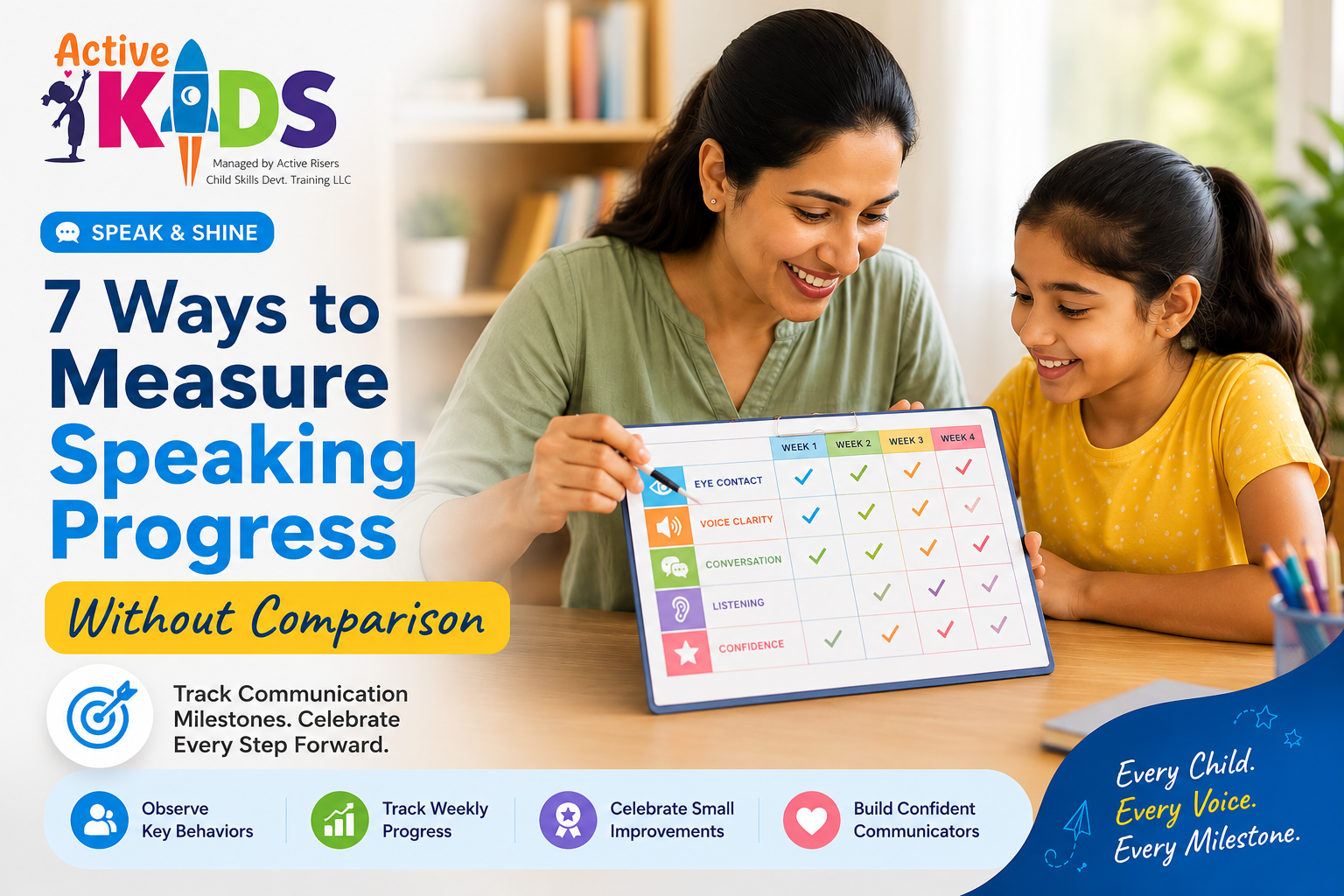
A visible weekly homework planner can also help children understand deadlines and organise their responsibilities.
Avoid creating an unrealistic timetable. If your child has several extracurricular activities, leave enough time for meals, rest and family interaction.
Consistency matters more than following a perfect schedule.
Parents looking for additional ways to organise their children’s learning can also explore our guide on study tips for kids, which covers practical strategies for improving concentration, remembering information and developing better study habits.
2. Create a Comfortable and Distraction-Free Study Space
A child does not need an expensive study room or elaborate desk setup to complete homework effectively. A clean, comfortable and organised space is often enough.
Choose a suitable area in your home where your child can concentrate without unnecessary interruptions.
Consider these essentials:
- Good lighting: Ensure the study area has enough natural or artificial light.
- Comfortable seating: Choose a chair and desk suitable for your child’s height.
- Organised materials: Keep pencils, erasers, notebooks, rulers and textbooks nearby.
- Limited distractions: Switch off television and put away unrelated toys.
- Digital organisation: If a laptop or tablet is required, open the appropriate learning platform before starting.
For families in the UAE, where children may share study areas with siblings, creating a designated homework corner can be a practical solution.
You can also establish simple household rules during study time. For example, everyone can agree to reduce television volume or avoid unnecessary interruptions while a child is completing an assignment.
Remember that a quiet study space does not have to be completely silent. The objective is to create an environment where your child can focus comfortably.
3. Guide Your Child Instead of Giving Them the Answers
One of the most important homework tips for parents is learning when to help and when to step back.
When a child says, “I don’t understand this question,” parents sometimes immediately explain the answer or complete the difficult part themselves.
Although this may save time, it can prevent children from developing problem-solving skills.
Instead, encourage your child to think through the question.
Try asking:
- What do you think this question is asking?
- Which part do you already understand?
- Can you find a similar example in your textbook?
- What have you learned about this topic in class?
- What could you try first?
These questions encourage children to process instructions and identify what they need to do next.
For younger children, break complicated instructions into smaller steps. Older children can be encouraged to explain their approach before beginning an assignment.
If your child struggles with reading instructions, regular reading practice can also help. Our guide on how to improve reading habits offers practical ideas for helping children develop a consistent reading routine.
The aim is to make your child comfortable asking questions while gradually becoming more independent.
4. Break Large Assignments into Smaller Tasks
A long worksheet, school project or presentation can feel overwhelming when children see it as one large assignment.
Breaking the work into smaller tasks makes it easier to understand what needs to be done and how much time each step may require.
For example, a school presentation can be divided into the following activities:
- Understand the topic and instructions.
- Identify three or four important points.
- Research information using appropriate sources.
- Organise the information into a logical sequence.
- Prepare short notes or presentation slides.
- Practise explaining the topic aloud.
- Review the presentation before submitting it.
This approach helps children focus on one task at a time instead of worrying about the entire assignment.
A simple checklist can also make progress visible.
For longer projects, work backwards from the submission date. Allocate time for research, writing, preparation and final review rather than leaving everything until the last evening.
Parents can introduce this approach through everyday activities. For example, preparing a school project together can teach children how to organise information, manage time and complete tasks systematically.
For more guidance on developing presentation skills, read our article on school presentation tips for kids.
5. Encourage Independent Learning and Positive Habits
The ultimate purpose of homework support should be to help children become responsible for their own learning.
Parents can encourage this by gradually giving children more control over their assignments.
For younger children, this might mean allowing them to choose which of two subjects to study first.
Older children can take responsibility for:
- Recording homework deadlines.
- Organising books and stationery.
- Preparing their own study schedules.
- Identifying difficult topics.
- Checking completed assignments.
- Asking teachers for clarification when necessary.
Positive reinforcement can make this process more encouraging.
Instead of focusing only on marks, recognise the effort and behaviour that contribute to learning.
For example:
- “You organised your assignments without a reminder.”
- “You tried another method when the first one did not work.”
- “You completed your reading practice consistently this week.”
- “You noticed your mistake and corrected it yourself.”
Specific encouragement helps children understand which habits are worth repeating.
The Education Endowment Foundation highlights the importance of helping children develop self-regulation skills, including setting goals, planning and managing their learning.
Parents can support these abilities without taking control of every assignment.

6. Connect Homework with Reading, Writing and Communication Skills
Homework is not limited to mathematics, science or completing textbook exercises.
Many school assignments require children to read instructions, understand information, organise ideas and communicate their answers clearly.
These abilities are interconnected. Developing one skill can also support progress in other areas of learning.
Parents can introduce simple activities at home to strengthen these skills.
Reading practice
Encourage children to read a short passage and explain what they understood. Ask questions about the characters, important details or main ideas.
Picture-based activities can also help younger children develop comprehension skills. Explore our guide to picture reading comprehension activities for kids for practical ideas.
Creative writing
Ask children to write a short paragraph about their day, describe a favourite place or create an imaginative story.
You can use our collection of creative writing prompts for kids to help children find interesting topics and practise expressing their ideas.
Speaking and communication
Encourage children to explain what they have learned instead of simply writing answers.
For example, after completing a science assignment, ask them to explain the topic in their own words.
This helps them organise information and communicate their understanding.
Classroom participation
Children who understand a topic but struggle to express their answers may benefit from practising how to respond to questions.
Our article on how to help kids answer questions in class explores practical ways to develop confidence and classroom participation.
These activities can make learning more meaningful by connecting academic knowledge with everyday communication.
7. Maintain Communication with Teachers and Protect Your Child’s Wellbeing
Parents play an important role in supporting children’s education, but they do not have to solve every learning difficulty independently.
If your child regularly struggles with a particular subject, takes unusually long to complete assignments or becomes frustrated during homework, try to understand the underlying reason.
The difficulty may involve:
- Understanding written instructions.
- Remembering concepts taught in class.
- Organising assignments.
- Managing time effectively.
- Reading or writing confidently.
- Concentrating for extended periods.
Observe these patterns and discuss them with your child’s teacher.
You can ask specific questions:
- Is my child finding this topic difficult in class as well?
- Which skills should we practise at home?
- Is there a particular learning method you recommend?
- Are there additional resources that could help?
Regular communication between parents and teachers can help identify difficulties before they become bigger challenges.
At the same time, protect your child’s wellbeing.
Homework should not consume the entire evening. Children need opportunities for physical activity, play, family interaction, meals and sufficient sleep.
If assignments regularly extend late into the evening, review the schedule and discuss recurring workload concerns with the teacher.
A balanced routine supports children’s learning without creating unnecessary pressure.
A Simple Homework Schedule Parents Can Follow
Every child has different learning needs, so there is no universal timetable that works for every family.
However, the following example can help parents introduce a more organised homework routine.
| Activity | What Your Child Should Do |
| After school | Have a snack, relax and take a short break |
| Before homework | Check assignments and prepare study materials |
| First study session | Complete one important or manageable task |
| Short break | Stretch, drink water or move around |
| Second study session | Continue remaining assignments |
| Final review | Check completed work and identify unanswered questions |
| Before bedtime | Pack school materials and prepare for the next day |
Adjust the schedule according to your child’s age, school hours and extracurricular activities.
For younger children, shorter study sessions may be more appropriate. Older children may be able to manage longer periods of focused work.
The important thing is to create a routine that your family can maintain consistently.
How Much Should Parents Help with Homework?
The appropriate level of parental involvement depends on the child’s age, learning needs and the complexity of the assignment.
Younger children may need help understanding instructions, organising materials and establishing a study routine.
As children grow older, parents should gradually shift towards providing guidance rather than direct supervision.
For example, instead of checking every answer, ask your child to explain how they reached a particular solution.
Instead of completing a difficult project for them, help break it into manageable steps.
The Education Endowment Foundation’s research on parental engagement highlights the importance of positive learning interactions between parents and children.
Its guidance also distinguishes between supporting learning at home and taking over the teacher’s instructional role.
This is an important difference. Parents can create a supportive learning environment, encourage good habits and communicate with teachers without needing to become experts in every school subject.
Building Better Learning Habits Beyond Homework
Homework is only one part of a child’s educational development.
Children also benefit from learning how to communicate confidently, express their ideas, read independently and participate in classroom discussions.
These abilities become increasingly valuable as schoolwork becomes more demanding.
For example, a child who learns to explain an answer clearly may feel more comfortable participating in class. A child who develops stronger reading habits may find written assignments easier to understand.
Similarly, creative writing activities can help children organise their thoughts and communicate ideas more effectively.
Parents can encourage these skills through everyday conversations, reading activities, storytelling and opportunities to speak in front of others.
If your child wants to develop confidence in communication, it is also worth understanding the difference between public speaking and debate classes for kids.
Both activities offer opportunities to develop communication abilities, although they focus on different aspects of speaking and expressing ideas.
For children who need structured academic guidance, the Active Kids Online Tutoring Club offers an additional learning support option.
Conclusion
Helping children with homework does not mean sitting beside them throughout every assignment or providing answers whenever they face difficulty. Effective support begins with creating an environment where children feel confident, organised and motivated to learn.
Following practical homework help tips for parents can make a meaningful difference to a child’s daily learning experience. A predictable homework routine, a comfortable study space, manageable tasks, positive encouragement and regular communication with teachers can help children develop stronger learning habits.
Start with one small change this week. Establish a consistent homework schedule, introduce a weekly planner or encourage your child to explain an answer before asking for help.
Remember, the goal is not simply to complete today’s homework. It is to help children become more organised, confident and independent learners who can take responsibility for their education as they grow.
Frequently Asked Questions About Homework Help for Parents
What are the best homework help tips for parents?
The best homework help tips for parents include establishing a consistent study routine, creating a quiet learning space, breaking large assignments into smaller tasks and encouraging children to solve problems independently. Parents should guide children with questions rather than simply providing answers. Positive encouragement and regular communication with teachers also support better learning habits.
How can I help my child with homework without doing it for them?
Start by asking your child to read the instructions and explain what they understand. If they get stuck, offer hints, examples or guiding questions instead of giving the answer immediately. Allow them to attempt the task independently and provide support when necessary. This approach develops problem-solving abilities, confidence and independent learning skills.
How can I create a good homework routine for my child?
Choose a consistent time that fits your child’s school schedule, energy levels and extracurricular activities. Provide time for a snack and relaxation before studying. Prepare books and stationery, divide assignments into manageable tasks and include short breaks. A simple weekly planner can help children understand deadlines and develop better time-management habits.
How can I motivate my child to complete homework?
Make homework manageable by dividing assignments into smaller activities and allowing children to choose which task to start with. Recognise their effort, celebrate progress and avoid comparing their performance with other children. If your child regularly avoids homework, identify whether the difficulty comes from tiredness, unclear instructions, lack of confidence or problems understanding a subject.
Do children in UAE schools have homework in the 2026–2027 academic year?
The UAE Ministry of Education announced that traditional homework would be removed for students from Kindergarten through Grade 2 for the 2026–2027 academic year under its new education measures. The focus for younger children is instead on classroom learning and daily reading at home. Parents should confirm the applicable requirements with their child’s school, particularly if it follows a different curriculum or education regulator.
What should parents do if their child does not understand their homework?
First, identify which part of the assignment is confusing. Ask your child to read the instructions aloud, explain what they have learned in class and identify where they need help. Refer to classroom notes or suitable learning resources. If the difficulty continues, contact the teacher for clarification and guidance.
How can parents encourage independent learning in children?
Parents can encourage independent learning by giving children age-appropriate responsibilities. Younger children can organise their stationery and choose their first activity, while older children can manage deadlines and prepare study schedules. Encourage children to check their work, ask questions and attempt problems before requesting assistance. Gradually reduce supervision as their confidence improves.
How can working parents in the UAE support their children’s homework?
Working parents can support their children’s learning through a simple, predictable routine. Set aside a suitable time for checking assignments, reviewing progress and discussing difficult topics. Use a weekly planner to organise schoolwork and activities. Parents do not need to supervise every minute; regular communication, encouragement and occasional check-ins can provide valuable support.