
Introduction
The way children learn, communicate, and express themselves has changed dramatically over the past decade. With access to digital platforms and evolving learning environments, young minds are no longer limited to traditional methods of education. They are exploring new ways to share ideas, build confidence, and engage with the world around them.
One of the most impactful developments in this shift is the emergence of the Gen Z kids Podcast. It is not just a platform for entertainment but a space where children can learn to express themselves, participate in discussions, and develop real-world skills.
This transformation highlights a powerful shift—from simply consuming information to actively creating and contributing. Children are discovering that their voice matters, and more importantly, they are learning how to use it effectively.
The Shift from Consumption to Creation
For years, learning was largely passive. Children listened to lessons, read textbooks, and absorbed information. While this approach built foundational knowledge, it often limited opportunities for active participation.
Today, things are different. Children are no longer just listeners—they are becoming creators. Through platforms like a Gen Z kids Podcast, they are stepping into roles where they can share ideas, ask questions, and lead conversations.
This shift is significant because creation requires deeper engagement. When children prepare to speak about a topic, they must think critically, organise their ideas, and understand the subject more clearly. This process strengthens learning in a way that passive consumption cannot.
It also builds a sense of ownership. When children express their thoughts, they begin to feel responsible for their voice. This responsibility encourages confidence and motivates them to participate more actively in other areas of life.
Why Podcasting Feels Natural for Today’s Generation
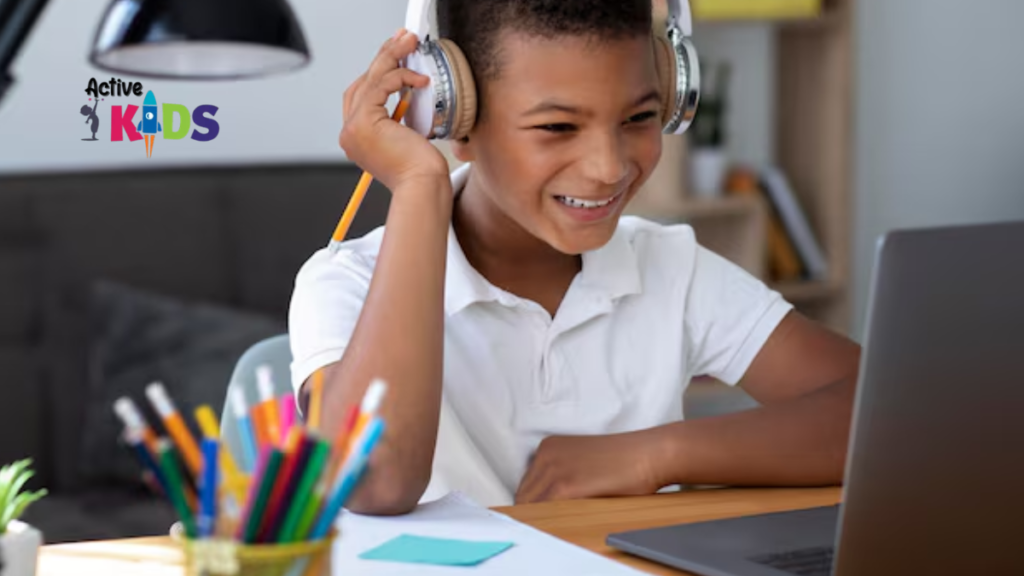
Young people today are growing up in a digital-first world. They are comfortable with technology and familiar with various forms of communication, from videos to voice notes.
Podcasting fits naturally into this environment. It is flexible, conversational, and less intimidating than formal speaking activities. Children can express themselves without worrying about strict structures or perfection.
This relaxed format allows them to focus on communication rather than performance. They can share ideas freely, respond to others, and engage in meaningful discussions without feeling pressured.
The conversational nature of podcasting also makes it more engaging. It feels like a dialogue rather than a task, which encourages participation and keeps children interested in the process.
Building Confidence Through Expression
Confidence is built through experience, not instruction. Children need opportunities to speak, share, and be heard in order to develop self-belief.
Participating in a podcast provides these opportunities. Each conversation becomes a step toward greater confidence. Children learn to organise their thoughts, express ideas clearly, and respond to others with clarity.
At the beginning, many children may feel hesitant. They might worry about making mistakes or not being able to express themselves properly. However, with consistent practice, these fears begin to fade.
The key difference is that podcasting does not focus on perfection. It encourages natural expression. This makes it easier for children to speak openly and build confidence gradually.
Over time, this confidence extends beyond the podcast. Children become more comfortable speaking in class, engaging in discussions, and expressing their opinions in everyday situations.
Thinking in Real Time
One of the most valuable skills children develop through podcasting is the ability to think quickly and respond in real time.
Unlike written tasks, where there is time to edit and refine responses, conversations require immediate thinking. Children must listen carefully, process information, and respond clearly within moments.
This skill is essential in real-life situations. Whether answering questions in class, participating in group discussions, or interacting socially, the ability to think on the spot is highly valuable.
Podcasting also improves listening skills. Children must pay attention to what others are saying in order to respond meaningfully. This creates a more balanced communication style where both speaking and listening are equally important.
Encouraging Creativity and Original Thinking
Creativity plays a major role in how children learn and express themselves. Podcasting provides a space where creativity can grow naturally.
Unlike structured assignments, conversations are open-ended. Children can explore ideas from different perspectives, share personal experiences, and express unique viewpoints.
They are not limited to one “correct” answer. Instead, they are encouraged to think independently and develop their own ideas. This fosters originality and helps children move beyond memorisation.
Creative thinking also makes learning more engaging. When children are interested in what they are discussing, they are more likely to participate actively and retain information.
Learning to Express, Not Impress
Many children feel pressure to perform perfectly, whether in academics or social situations. This pressure can make them hesitant to speak or share their ideas.
Podcasting offers a different approach. It focuses on expression rather than performance. Children are encouraged to share their thoughts without worrying about being perfect.
In this environment:
- Mistakes are part of learning
- Opinions are respected
- Growth is valued over perfection
This mindset helps children develop a healthier relationship with communication. They become more open, honest, and confident in expressing themselves.
The Role of Guidance
While freedom is important, guidance plays a crucial role in helping children improve their skills. A well-structured environment ensures that children not only participate but also grow through the process.
With the right support, children learn how to:
- Organise their thoughts
- Speak clearly and confidently
- Engage in meaningful conversations
Mentors or facilitators can provide feedback and encouragement, helping children refine their communication skills over time.
This balance between structure and freedom creates an effective learning experience where children feel supported while also having the space to express themselves.
Real-World Impact
The skills developed through podcasting go far beyond the activity itself. Children who regularly engage in conversations often show improvement in multiple areas.
They become more confident in:
- Classroom participation
- Public speaking
- Social interactions
- Leadership roles
These improvements are not limited to communication. Children also develop better critical thinking, problem-solving abilities, and emotional awareness.
In the long term, these skills contribute to both academic success and personal development. They prepare children for a world where communication and adaptability are essential.
Preparing for the Future
The future will require more than just academic knowledge. Skills such as communication, creativity, adaptability, and critical thinking are becoming increasingly important.
A Gen Z kids Podcast helps children develop these skills in a practical and engaging way. It prepares them to navigate a world where expressing ideas clearly and confidently can create opportunities.
By encouraging independent thinking and open communication, podcasting equips children with tools that will benefit them throughout their lives.
Conclusion
The rise of the Gen Z kids Podcast reflects a meaningful shift in how children learn and express themselves. It moves beyond traditional methods and creates a space where young individuals can share ideas, build confidence, and develop essential skills.
By transforming children from passive listeners into active participants, podcasting empowers them to take ownership of their voice. It encourages creativity, strengthens communication, and prepares them for the challenges of the future.
In the end, it is not just about speaking—it is about helping children discover their potential and believe in their ideas.
FAQs : Understanding Gen Z Kids Podcast
How does podcasting help children build confidence?
Podcasting gives children regular opportunities to speak, organise their thoughts, and express opinions. This consistent practice helps them become more confident over time.
What skills can children develop through podcasting?
Children can improve communication, critical thinking, creativity, listening skills, and problem-solving. These skills are useful in both academics and everyday life.
Is podcasting suitable for shy children?
Yes, podcasting can help shy children gradually become more comfortable speaking. The relaxed and supportive environment allows them to express themselves at their own pace.
How is podcasting different from traditional learning?
Podcasting focuses on active participation and real conversations, while traditional learning often focuses on listening and memorisation. It encourages children to think and express ideas independently.
Can podcasting improve academic performance?
Strong communication and thinking skills developed through podcasting can help children participate better in class and express their ideas more clearly in exams.
What topics do children discuss in podcasts?
Children often talk about school life, friendships, hobbies, creativity, technology, and future goals, making learning more relatable and engaging.
Do children need special equipment to start podcasting?
No, basic tools like a phone or simple microphone are enough. The focus is on ideas and communication, not equipment.